If you've spent any time looking at used pianos online, you've probably noticed that prices are all over the map. One seller may be asking thousands of dollars for an older piano, while someone else is offering what looks like a similar instrument for free.
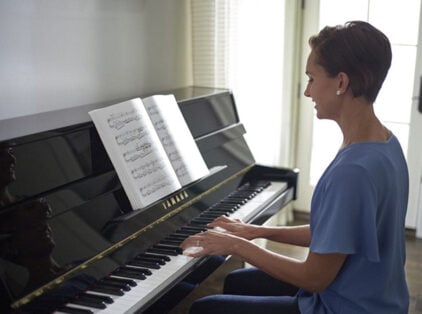
If you're shopping for an acoustic piano, an upright may seem like the practical choice. It takes up less room than a grand, and it's generally more affordable. But there's a lot more to upright pianos than that.
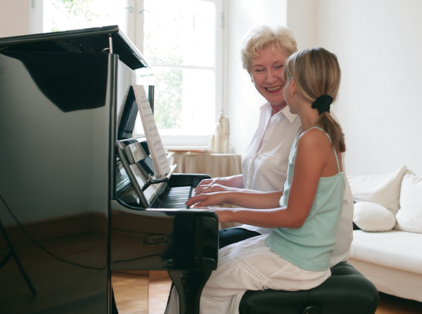
Parents start their children in piano lessons for all kinds of reasons. A child may show musical interest or talent, or parents may simply want to give them the opportunity to learn, create, and experience the sense of accomplishment that comes with making music.
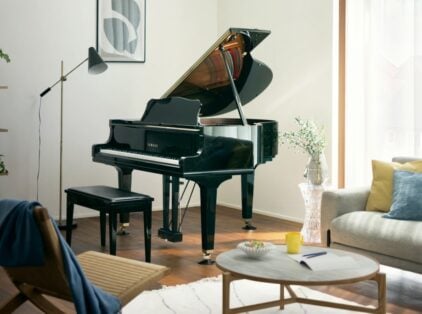
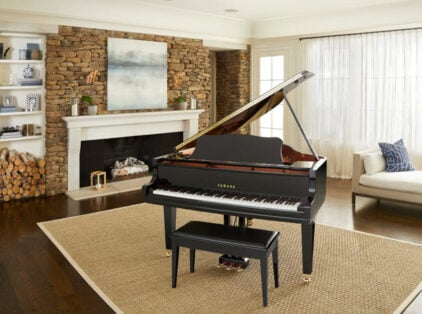
How much does a grand piano actually cost? New grand pianos can start in the mid-teens and extend well beyond $100,000, while pre-owned prices vary widely based on the instrument, age, and condition. Learn what affects grand piano pricing, what you can expect at different budget levels, and why factors like preparation, promotions, trade-ins, and included services matter when comparing your options.
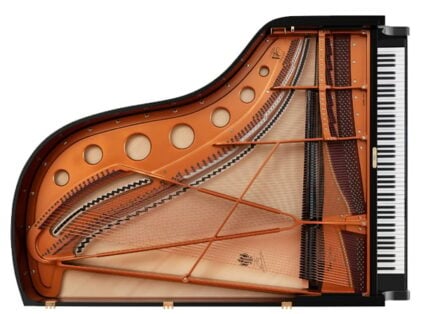
If you’ve ever compared acoustic pianos side by side, you’ve probably noticed how different they can sound. One may have a warm, rich voice, while another beams with brightness. One can seem almost to whisper, while the piano beside it fills the room as though it’s been waiting all day to show off. Those differences aren’t random. A piano’s sound is shaped by a combination of its design, size, materials, craftsmanship, preparation, condition, the pianist’s touch, and even the room where it’s played.
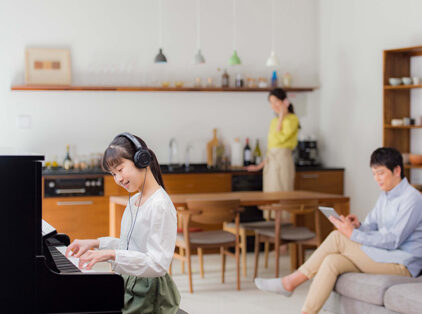
Many people begin their piano search knowing they want an acoustic piano, with real hammers, strings, and a wooden soundboard. They’re drawn to its natural sound, responsive touch, and the experience of playing a traditional instrument. What they may not realize is that an acoustic piano can now also include headphone practice, adjustable volume, additional instrument sounds, recording, and even performance playback.
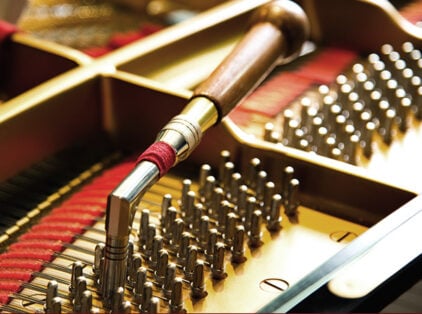
A piano may be new, beautifully made, and safely delivered to a showroom, but that doesn’t necessarily mean it’s ready to sound and respond at its best. That’s where piano preparation comes in. It’s the process of evaluating an instrument and completing the work it needs before it reaches its new owner. Depending on the piano, that may include inspection, tuning, regulation, voicing, cleaning, cosmetic care, and other adjustments.